
Choosing a nursing home in Petaling Jaya
What to look at beyond the brochure: care needs, environment, staff communication, distance from family and how the resident responds to the home.
Read guide →Clear, useful information about choosing residential elderly care, preparing for admission and supporting a loved one through a care transition.
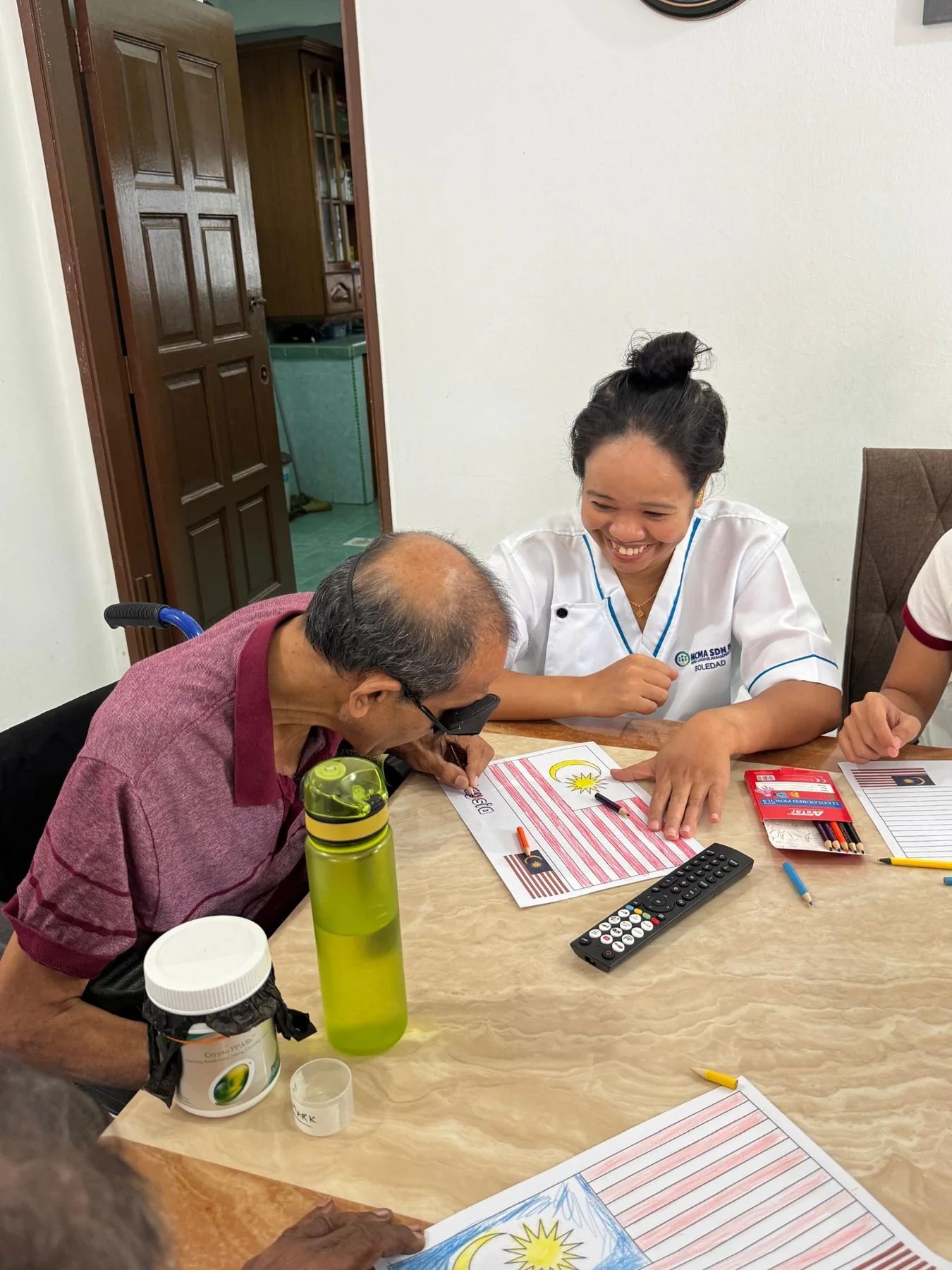
What to look at beyond the brochure: care needs, environment, staff communication, distance from family and how the resident responds to the home.
Read guide →A practical way to compare supervision needs, family availability, home suitability, care complexity and social needs.
Read guide →A simple checklist of personal items, medication information, medical documents and familiar belongings that can make the transition smoother.
Read guide →Questions families can ask before arranging short-term or longer residential support after a hospital stay.
Read guide →Start with the resident’s actual needs, not the building alone. Ask what help is needed with mobility, bathing, medication, eating, cognition and night-time supervision. Then visit the centre and observe whether it feels calm, clean and respectful. Ask how families receive updates, what happens if care needs increase, what visiting arrangements are possible and how emergencies are handled. Distance matters too: a centre that family members can reach easily may make regular involvement more realistic.
Neither option is automatically better. Home care may suit someone who is stable, comfortable in their own home and has enough family support and a suitable environment. Residential care may make more sense when supervision is needed around the clock, the home is difficult to adapt, family caregivers are stretched, rehabilitation or structured routines are important, or the older person benefits from more social contact. Compare the real care hours and responsibilities involved rather than only the headline price.
Before admission, prepare an updated medication list, relevant medical information, emergency contacts and any documents requested by the centre. Bring comfortable clothing, toiletries, mobility aids and familiar personal items that can help the new room feel more like home. Label important belongings. It also helps to tell the care team about routines, food preferences, sleep patterns, communication style, behaviour changes and the things that usually comfort or upset the resident.
Before arranging post-hospital residential care, confirm what assistance the person now needs with walking, transfers, toileting, medication, meals, wound or tube care and rehabilitation. Ask the hospital team for discharge instructions and follow-up appointments, and share relevant information with the care centre. Residential support should complement—not replace—medical follow-up from the person’s treating doctors and clinical team.
Choosing care is personal. Visit either Serene Skies home, meet the team and discuss your loved one’s needs with us.